The Best Foldable Walking Pad for a Small Home Office (2026 Guide)
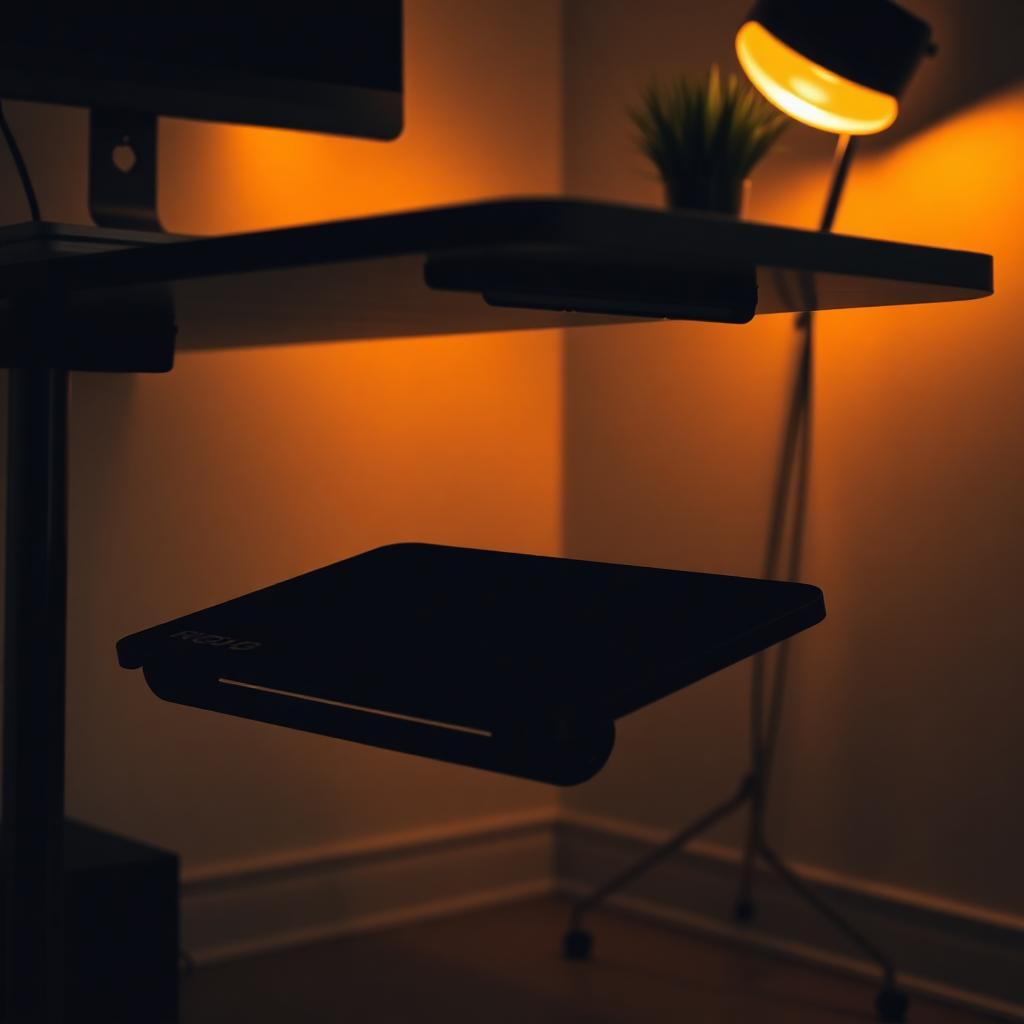
TL;DR: The best foldable walking pad for a small home office is one you can lift with one hand (under 60 lbs), that runs quietly enough for video calls (under 50 dB at 2 mph), and that folds thin enough to slide under a couch or bed (under 5 inches). Our current top pick for most desk workers is the WalkingPad P1, with the DeerRun Q1 as a budget alternative and the Egofit Walker Pro as the compact-apartment specialist.
What is a foldable walking pad — and why not a regular treadmill?
A foldable walking pad is a slim, motorized deck (typically 4–5 inches thick when flat) designed for walking, not running. Most fold at the middle, which cuts the footprint roughly in half for storage.
For a small apartment or a rented home office, this matters. A regular treadmill is a 6-foot piece of furniture you cannot hide. A folded walking pad slides under a bed, behind a couch, or against a wall the moment you step off it. That storability is the entire reason the category exists.
The tradeoff: top speed is limited (usually 4 mph or less), incline is rare, and the deck is thinner and slightly less shock-absorbing than a full treadmill. For desk work, none of that matters. For serious running, get a real treadmill.
The specs that actually matter in a small home office
Noise. Below 50 dB at 2 mph is essential if you take calls while walking. Manufacturer claims are optimistic — real-world reviews consistently measure 3–5 dB higher. Aim for a rated noise of 45 dB or lower.
Weight. Under 60 lbs is the threshold for realistic one-person setup and daily storage. Over 70 lbs, you will stop moving it, which defeats the point of foldability.
Folded thickness. Under 5 inches to fit under most beds and couches. Some pads market as 'foldable' but are 6+ inches when folded — check the actual number.
Deck size. Walking surface should be at least 40" long and 16" wide for comfort. Shorter decks feel cramped after 30 minutes.
Max user weight. Look for at least 220 lbs (100 kg) for a durable long-term build, even if you weigh less. Motors on cheap pads are undersized and fail early under sustained use.
Top speed. 3.7–4 mph is plenty for a walking desk. Higher top speeds usually mean a heavier motor and louder operation — you're paying weight and noise for a feature you won't use.
The best foldable walking pads (2026)
WalkingPad P1 (editor's pick) — 44 lbs, folds to 5.1", 3.7 mph top speed, remote-controlled. Genuinely quiet at 45 dB and stable enough for real work sessions. The pad most home-office users end up with after trying two or three others.
DeerRun Q1 Mini (best value) — under $250, 48 lbs, folds to 4.9". Slightly louder than the P1 (48 dB) and the motor is less refined, but for a light-use walking-during-standups setup, it's hard to beat the price.
Egofit Walker Pro (best for tiny apartments) — 30 lbs, deck is smaller than the others, but folds flat to under 4 inches. If you live in a studio and need it out of sight every day, the compromises here are worth it.
Sperax Walking Pad (best two-person household pick) — 55 lbs, folds to 5", 265 lb weight cap, quieter motor than most in this price band. Better long-term durability than the sub-$300 pads.
UREVO Foldable Walking Pad — mid-tier alternative if the WalkingPad is out of stock. Similar noise and weight profile, slightly less refined controls, occasional QC variance.
Where to put a walking pad in a small home office
You need three feet of clear space in front of the pad (for the step-off) and about a foot behind it (for the safety clip). If your desk is against a wall, that means the pad extends three feet into the room. Measure before you buy.
Under a sit/stand desk is ideal. Raise the desk 6–8 inches higher than your normal standing setting to account for pad height. If your desk doesn't go that high, you cannot use it as a walking desk — measure this before ordering the pad, not after.
Store it against the shortest wall in the room, on its long edge, so the folded footprint is about 30" x 5". Slide it into a closet or behind a couch. Do not lean it unsupported — the motor housing is not designed to bear weight from that angle.
Put a rubber mat underneath. It reduces motor noise transmitted to the floor by 3–8 dB — a meaningful difference if you're in an apartment with downstairs neighbors.
Newsletter
One useful workout or gear pick per week.
Written for people who live at a desk. No spam, unsubscribe anytime.
How to actually use it during the workday
Start at 1.5 mph. Faster feels unnecessary for the first week — your ankles and hips need to adapt to sustained low-speed walking on a moving deck.
Match speed to cognitive load. 1.0–1.5 mph for focused writing or code review. 2.0–2.5 mph for meetings, Slack triage, and reading. Above 3.0 mph, most people cannot type accurately or sound composed on calls.
Cap sessions at 60 minutes at first. Two 45-minute sessions per day is a sustainable target for most desk workers.
Wear supportive shoes, not slippers or barefoot. Walking pads are not the same as walking on a soft floor — the deck flex is different, and your feet need real support for extended sessions.
Foldable walking pad vs. under-desk elliptical
Elliptical: you sit while you use it, so cardiovascular benefit is small. Good for restlessness during long meetings, poor for actual movement volume.
Walking pad: you stand and walk, so it counts as real low-intensity cardio. Adds meaningful step count to a desk-heavy day. Almost always the better buy if you can raise your desk to accommodate it.
If your desk cannot go high enough for a walking pad and cannot be replaced, an under-desk elliptical is a reasonable fallback. Otherwise, the walking pad wins on almost every metric.
Frequently asked questions
Are foldable walking pads quiet enough for video calls? A rated-45-dB pad at 2 mph is quieter than most laptop fans and inaudible on a call with a decent mic. Louder pads or higher speeds are noticeably audible.
How much space does a folded walking pad take? A typical folded pad is about 30" x 21" x 5" — fits under most beds, behind couches, or upright in a small closet.
Can you run on a foldable walking pad? No — most are rated to 4 mph or less and the deck is too short for a safe running stride. For running, get a full treadmill.
How long do foldable walking pads last? Well-built pads (WalkingPad, Sperax) hold up 3–5 years at 1–2 hours per day. Sub-$300 pads often start showing motor or belt issues at the 12–18 month mark.
Do you need to lubricate a walking pad? Yes. Silicone belt lubricant every 3–6 months (or per manufacturer spec) meaningfully extends motor life. Skipping it is the single most common cause of early failure.
The Active Nerds Team
Engineers and lifters writing practical fitness content for people who spend their day at a keyboard.